

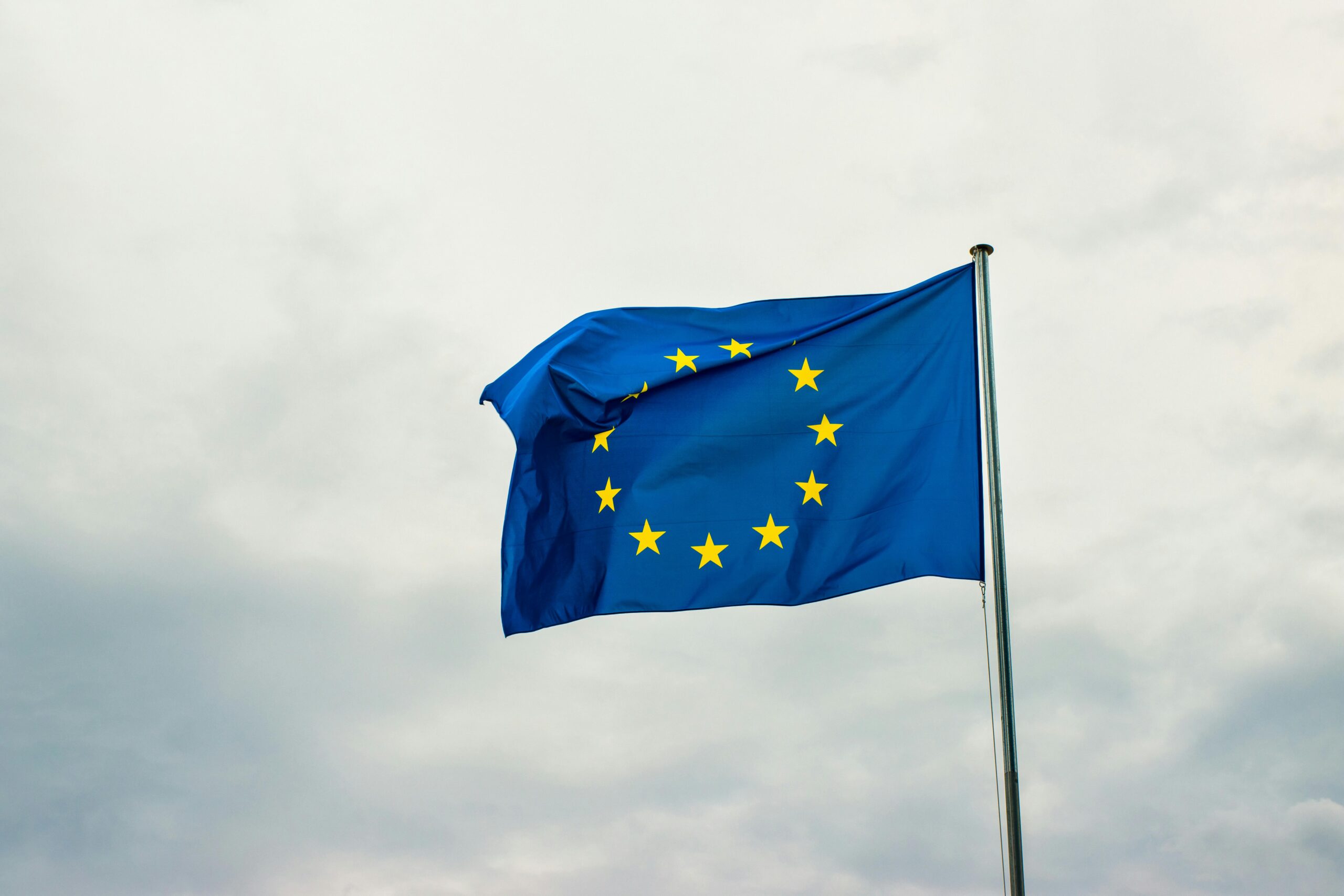

A new survey from the European Commission reveals that most Europeans trust science and technology but want their benefits to be more evenly distributed. The Eurobarometer survey, conducted across the EU, the Western Balkans, Türkiye, and the UK, found that 83% of respondents see science and technology as having a positive influence.
Science Should Benefit Everyone
Two-thirds (67%) of those surveyed said science and technology make life easier, healthier, and more comfortable. However, many believe that these advancements primarily help businesses make money rather than benefiting society as a whole.
European Commissioner for Startups, Research, and Innovation Ekaterina Zaharieva emphasized the importance of openness and fairness in science. She stated that research should promote transparency, integrity, and public engagement to meet citizens’ expectations.
Public Support for Inclusive Research
Most respondents want science to be more inclusive. A majority (77%) said research should consider the needs of all groups, and 72% believe governments should ensure that new technologies benefit everyone.
Gender equality in science and technology also received strong support. Nearly 70% of respondents believe it would create a fairer society, while 63% said it would improve research outcomes.
Young people are also seen as major beneficiaries of scientific progress. Over two-thirds (68%) think science will create more opportunities for future generations, and 61% believe it prepares them to be well-informed citizens.
Growing Demand for Open Science
The survey highlights strong public demand for free access to scientific research. A large majority (80%) believe that publicly funded research should be freely available online. This aligns with the EU’s Open Science initiative, which promotes the early and open sharing of research results.
Under Horizon Europe, the EU requires immediate open access to scientific publications. This builds on progress made under Horizon 2020, where open-access publication rates increased from 65% in 2014 to 86% in 2019.
AI and Trust in Scientific Research
Artificial Intelligence (AI) is playing a growing role in scientific research, but public trust remains mixed. Half (50%) of respondents believe AI can drive discoveries in critical areas such as climate change and health. However, only 38% trust research conducted with AI, while 25% are skeptical.
Concerns about AI extend to human rights. Around 58% of respondents worry that scientific applications of AI could pose risks. The European Commission has acknowledged these concerns and is working to ensure AI advancements respect fundamental rights.
Long-Term Public Opinion Trends
Eurobarometer has been tracking public attitudes toward science and technology for decades. This latest survey continues a series conducted in 2021, 2013, 2010, and 2005.
While overall trust in science remains strong, the findings suggest a growing public demand for fairness, transparency, and broader access to the benefits of scientific progress.
