


A new survey reveals that 68% of Europeans support government restrictions on artificial intelligence to protect jobs. This marks an 18% increase from 2022, possibly influenced by the rapid rise of generative AI tools like ChatGPT, BARD, and Midjourney. Some countries have seen significant spikes in support for regulation, with Sweden increasing by 50.2%, the UK by 40.75%, and Italy by 34.9%.
The European Tech Insights 2023 report highlights growing concerns about AI’s economic and social impact. Many Europeans want stronger regulations to address potential risks associated with automation and data-driven decision-making.
Trust in the EU for AI Oversight
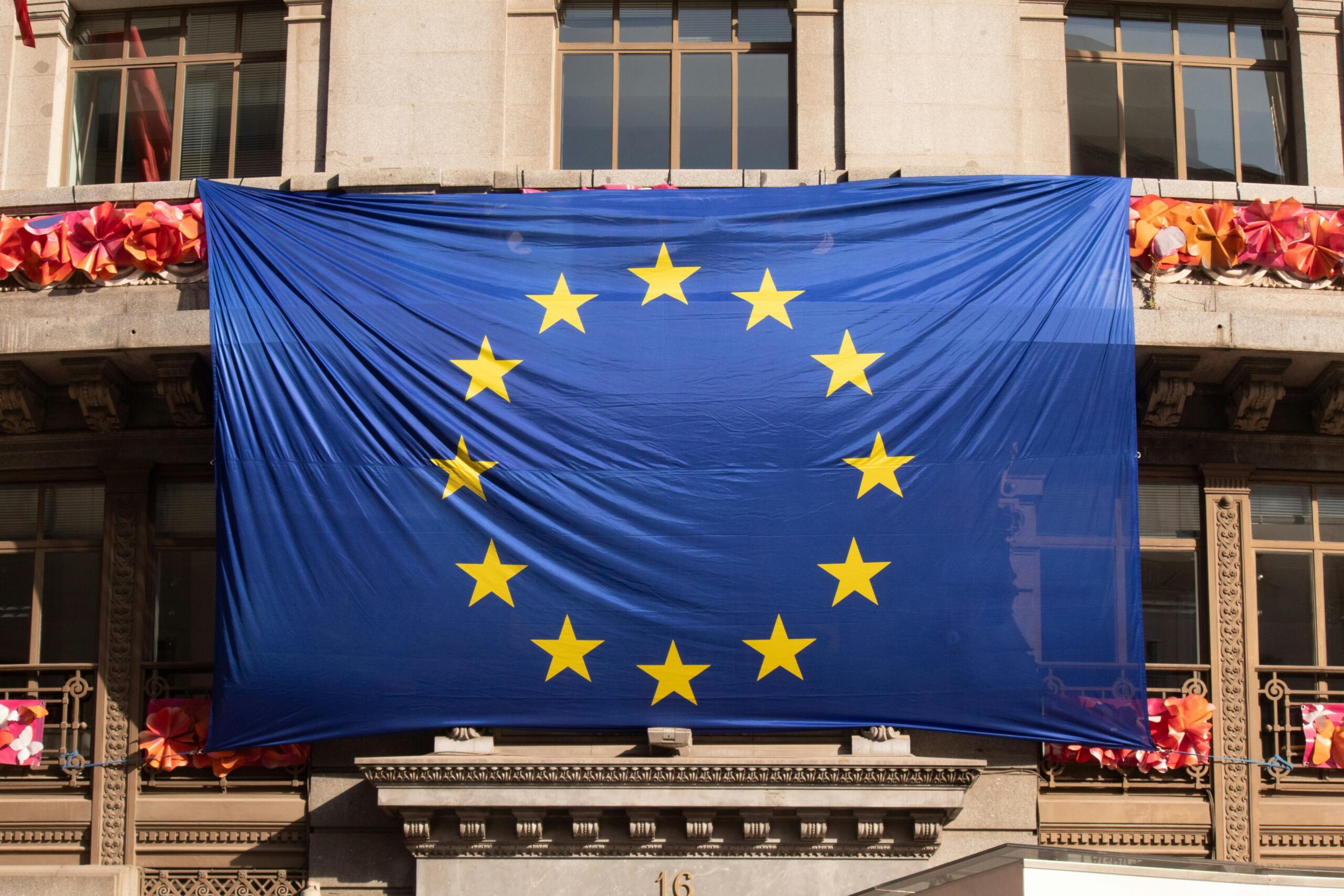
The survey found that 44% of Europeans trust the European Union more than their national governments or corporations to regulate AI. The UK stands out as the only country where a majority (51%) trust their own government more than the EU to handle AI oversight.
Privacy vs. Security Concerns
The report also reveals shifting attitudes toward privacy and security. Amid the Israel-Gaza conflict, 60% of Europeans said they would be willing to share personal data with governments and companies to combat global threats. However, privacy concerns remain high in Italy (53%) and Estonia (52%), where a slight majority refuse to share their data.
A gender divide is also apparent, with 55% of women being reluctant to share personal data compared to 65% of men.
Optimism in AI and Biotech Advancements
Despite concerns about regulation and privacy, many Europeans see potential benefits in AI and biotechnology. The survey found that 58% believe gene-editing technology will have a positive impact on humanity.
When it comes to AI in healthcare, 18% of Europeans trust an AI system’s analytical diagnosis over a human doctor’s observational diagnosis. In Sweden and Romania, this figure rises to 27% and 25%, respectively.
The survey also explored attitudes toward cyber enhancements. Around 34% of Europeans are open to getting brain implants to boost cognitive abilities. Interest is highest in Sweden (49%), Poland (47%), and Romania (46%).
Mixed Reactions to EU’s TikTok Warning
Following the EU’s privacy concerns about TikTok, 33% of Europeans said they would continue using apps flagged as privacy risks. However, older generations are more cautious. About 76% of those over 75 years old would uninstall the app if advised to do so by the EU.
Survey Methodology
The European Tech Insights 2023 survey was conducted in August 2023 by the CGC. It collected responses from 3,003 adults across 10 European countries: the UK, Estonia, France, Germany, Italy, the Netherlands, Poland, Romania, Spain, and Sweden. The study ensured a representative balance of age, gender, region, and education.
